
Associació Catalana de Zooterapia
Animal-assisted therapy
Interventions adapted to each person, the centre’s goals and the welfare of the animal team.

Goal-oriented interventions
What is animal-assisted therapy?
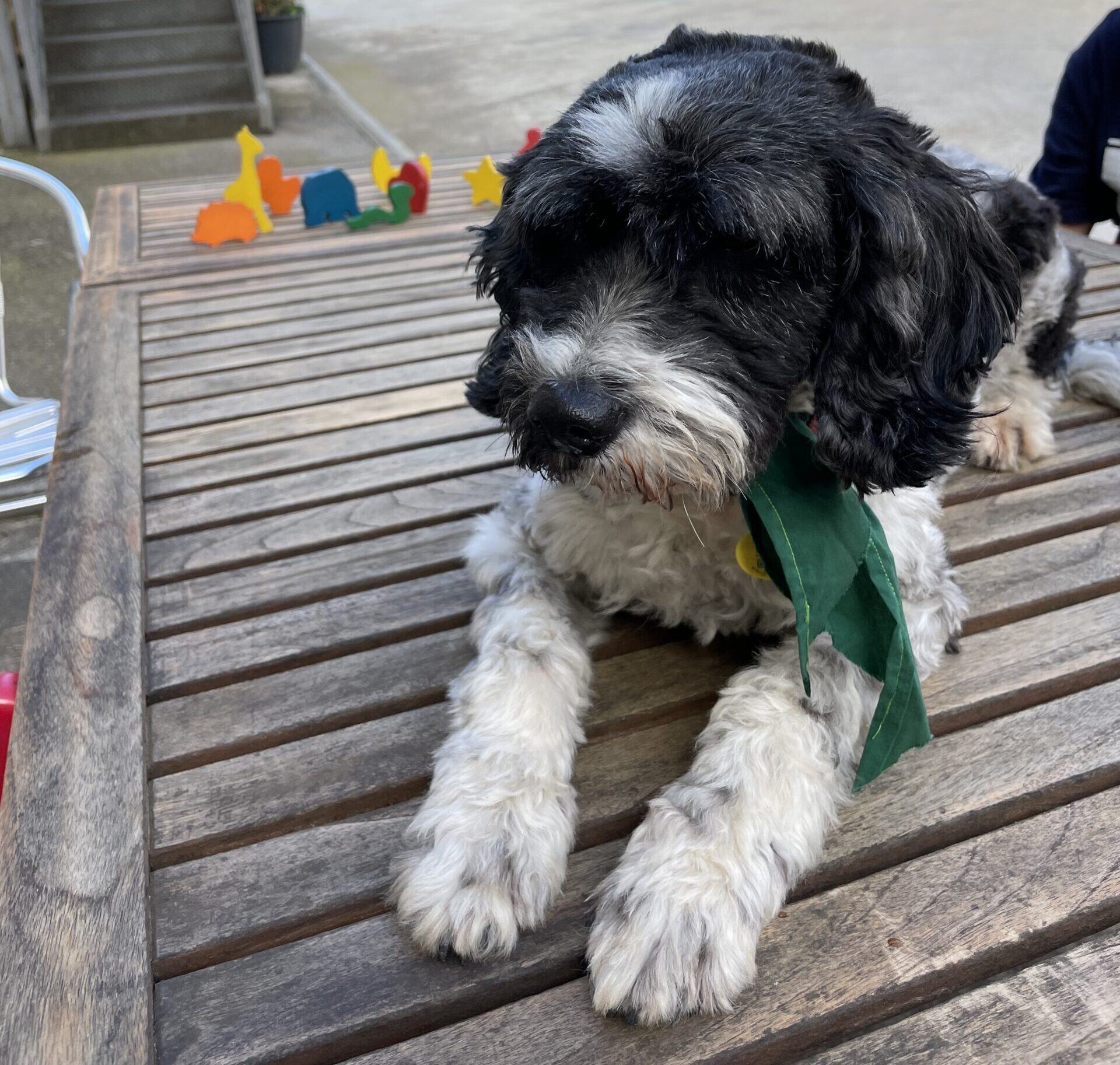
The animal acts as a mediator between the person and the professional. Through activities and games, the team works towards individual or group goals and complements the centre’s intervention programme.
Activities are adapted to the context, support needs and participation of each person.
People we work with
Who is it for?
These are the areas of work described by the association. Groups and goals are considered for each project.
Older adults
Group size is adapted to the centre. The association describes groups of up to ten participants where the setting allows interaction.
Possible goals
- Fine and gross motor skills.
- Short-, medium- and long-term memory.
- Social skills and communication.
- Emotional expression, self-esteem and personal confidence.
People with intellectual disabilities
Group composition depends on mobility, independence and support needs. The association describes indicative groups of four to ten people.
Possible goals
- Purposeful actions and social skills.
- Fine and gross motor skills and hand–eye coordination.
- Proprioceptive and somatic stimulation.
- Empathy.
Autistic children
The association suggests starting with small groups of up to two participants and reviewing changes according to progress and individual needs.
Possible goals
- Empathy and communication.
- Social skills.
- Frustration tolerance.
- Impulse regulation.
Children with Prader–Willi syndrome
The association describes indicative groups of four participants with shared goals.
Possible goals
- Muscle tone and adapted movement activities.
- Language and vocalisation.
- Social skills and communication.
- Frustration tolerance and impulse regulation.
Women and children who have experienced gender-based violence
Activities may be designed for women, children or mothers and children, depending on the project and professional support.
Possible goals
- Personal confidence and self-esteem.
- Verbal and non-verbal communication.
- Empathy and respect.
How we work
We listen
We learn about the needs of the centre and its participants.
We design
We agree on activities and goals appropriate to the context.
We deliver
The professional guides activities alongside the animal team.
We review
We observe participation and adapt the approach.
Part of every intervention
Animal welfare
The association considers the animals’ temperament, sociability and comfort. Preparation and activities must respect their needs and willingness to participate.
Let’s talk about your centre
Would you like to discuss an intervention?
Tell us who you work with and which goals you would like to explore. The team will guide you through the available options.